



About the Carpenter
I am Matt Bray, carpenter, programmer, and sole contributor to mycarpentry.com. In the construction industry, I have worked in many roles, from a helper (you have to start somewhere) to a general contractor (you have to set goals). Much of what I know about practical carpentry I acquired on the job, over time, working with skilled carpenters on various projects using a wide range of building materials. And in the evenings, outside of hands-on education, I fine-tuned my carpentry know-how by studying books and magazines on building, design, and architectural drawing.
But the real stuff? The tips and tricks that made it all come together? I learned from watching talented people work, and not always carpenters. One day, while watching my mother lay out quilt patterns, I thought of a technique I later used on a construction project. You never know when a random, unrelated circumstance might inspire a new idea. As I write this, I think of all the knowledge I have gained by observing expert plumbers, electricians, roofers, and other tradespeople at work. Each field has its own skillset specific to the task, but all share an underlying common sense.
The Carpentry Chronicles
These chapters chronicle the adventures, struggles, and personal discoveries of my years as a carpenter: the jobs, the people, the places, the experiences, the successes, the mistakes, the wrong turns, the right turns, and just plain dumb luck that shaped my life.
While mycarpentry.com is about carpentry, these chapters are about the carpenter who built it.
First Carpentry Job - This is a memoir of my first carpentry job - building single-family homes in Central Texas in the early 1980s. Many things have changed since the 1980s - new technologies, better tools, the internet, but carpentry is still the same.
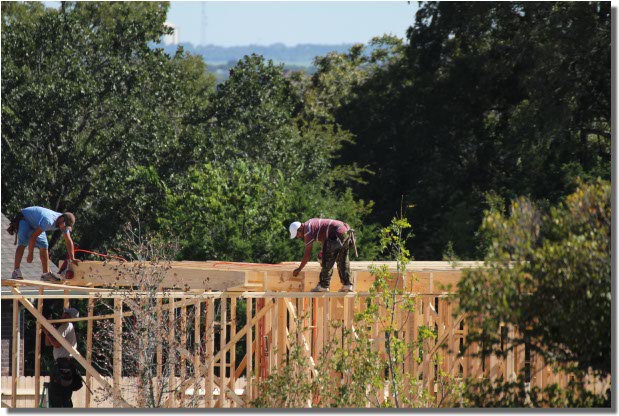
Self-Employed Carpenter - After learning enough about carpentry to frame a simple house, I stumbled across an opportunity to build chimneys, stairs, fireplaces, bay windows, and shed roofs on a new apartment complex as a self-employed carpenter.
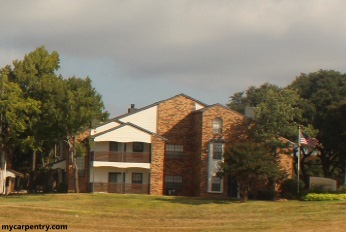
Estimating Construction Costs - Estimating construction costs can be an abstruse phase of a carpentry project. I learned the hard way — the costly way — by trusting my customers implicitly, never once considering that they might take advantage of my inexperience and obliviousness.
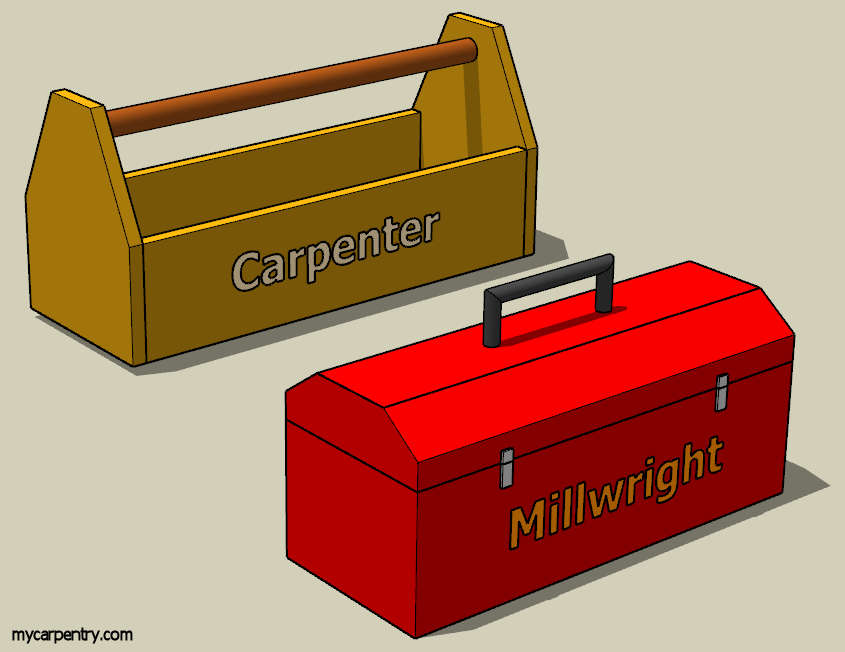
Carpenter or Millwright - Through on-the-job experiences, I discovered similarities between the carpenter and millwright trades. The carpenter, who primarily works on residential projects, and the millwright, who is more oriented toward commercial and industrial construction, share many common skills and methods of building.
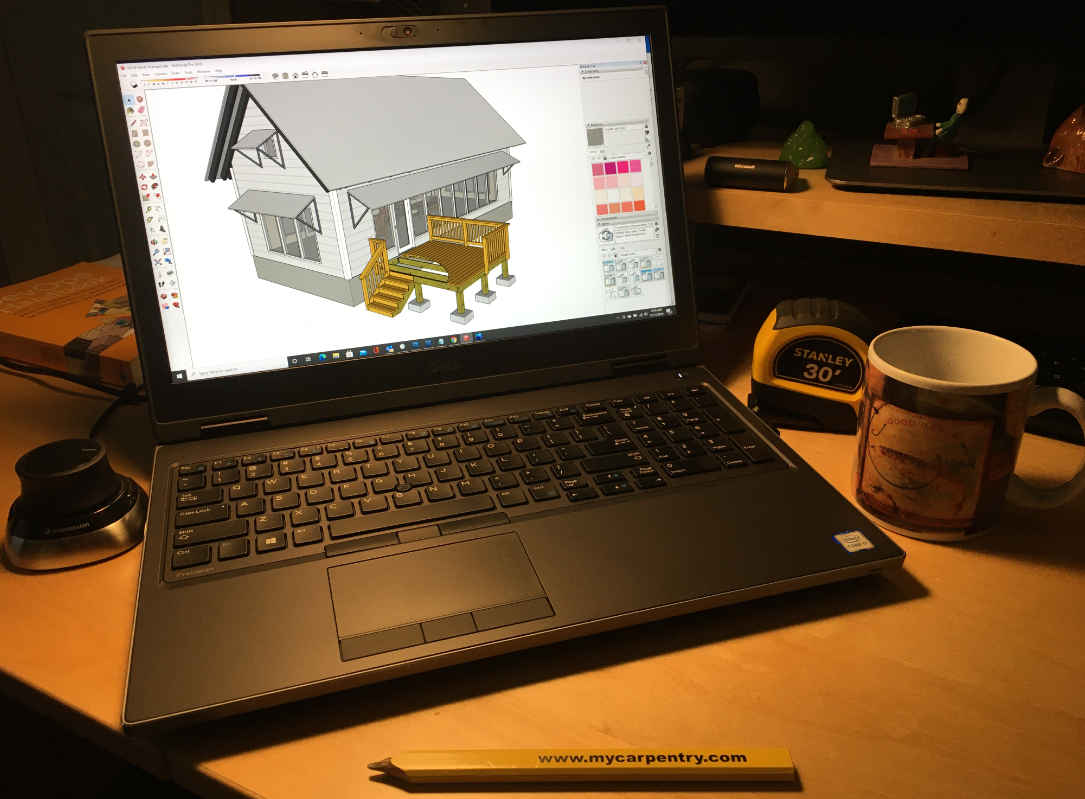
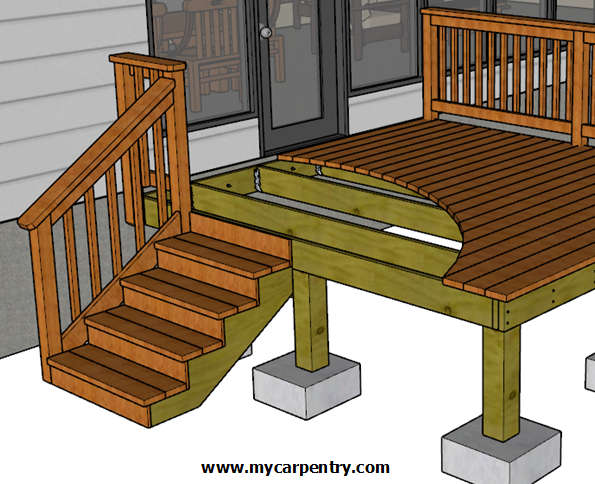
Building Decks - This chapter is about my experiences building decks in central Texas in the mid-80s; how three carpenters worked in harmony to produce a deck a day. The subtle differences and challenges of each new deck became an object lesson for future decks.
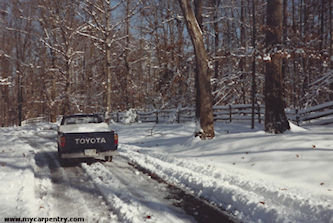
Road to Virginia - This chapter recaps the events of my three-day, 1500-mile road journey to northern Virginia in my fully loaded Toyota pickup to work as a carpenter after the Texas oil price collapse annihilated the construction industry in Texas.

Carpentry in Virginia - Carpentry in Virginia was not unlike that in Texas, but there were subtle differences—the weather, the architecture, the building materials, the building codes, the roads, the scenery, the food, and the fun-loving, inspiring people.
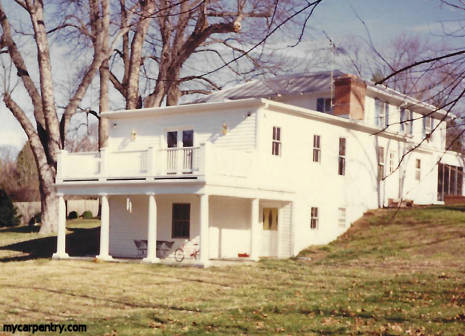
Carpentry in Texas - The carpentry skills I learned while working in Virginia were like nothing I learned in Texas, but not necessarily better. It was time for me to share a few carpentry tricks and techniques I had learned in Texas with my talented counterparts from Virginia.

Texas Road Trip - This chapter reflects on a road trip that marked a turning point in my carpentry and personal life. It was a time to process the events that had occurred since I moved to Virginia six months prior, and how those outcomes might shape my career and personal futures.
Carpentry in Winter - Occasionally, as a carpentry subcontractor, you might have to work with materials other than wood. My experience involved replacing a bridge over a small creek using Corrugated Galvanized Pipe (CGP) during the coldest December I had ever experienced.
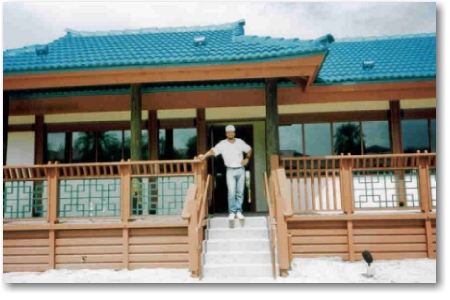
China Coast - As relatively small construction projects go, restaurants can be very challenging because of the framing required for plumbing, electrical, stoves, ovens, walk-in coolers, etc. This restaurant was certainly no exception.
Note: The eleven chapters listed above only represent about half the projected volume of the finished memoir, which I plan to publish sometime in 2026. Stay tuned!
More About the Carpenter
I have studied wood structural design and have written software to simplify calculations for stairs, roofs, wood beams, and more. With technological advancements, these tools will continually improve, but carpentry itself is a durable trade; until robots can perform all the tasks of a breathing human being, there will always be a need for carpenters.
As a programmer, I have learned this: If there's something you want to do in life, do it. If you want to be good at it, do it all the time. Through relentless repetition, you can master your craft and achieve your goals. It doesn't matter what that special thing is. Don't just talk about it, get up and get going.
Carpentry shares the same pattern. If you want to learn carpentry, build something. If you want to get better at it, build something else. Discover new tools. Work with different materials. And before you know it, you'll be surrounded by one-of-a-kind treasures you have proudly made yourself.
~Matt
Framing Carpentry - Check out the residential framing tutorials on mycarpentry.com.
DIY Projects - Check out the DIY projects on mycarpentry.com.
Stairs and Landings - Learn the basics of stair building and constructing stairs with landings.
Build a Deck - Learn about the seven phases of building a 10x10 deck.
What next?
Leave About the Carpenter and return to mycarpentry.com home page.

